What Techniques Do the Best Trichologists Use Effectively?
The best trichologists are highly skilled professionals who employ a range of advanced techniques to diagnose and treat hair and scalp issues. By leveraging their expertise and cutting-edge tools, they help individuals regain healthy, vibrant hair. In this article, we’ll explore the effective Best Trichologists that distinguish the best trichologists and how these methods contribute to successful outcomes.
Understanding Trichology: The Science of Hair and Scalp Health
Trichology is the branch of dermatology focused on studying the hair and scalp. It involves diagnosing hair loss, scalp disorders, and related issues. The best trichologists rely on a deep understanding of hair biology and various diagnostic tools to offer customized solutions for every patient.
Techniques Used by the Best Trichologists
1. Comprehensive Scalp Analysis
One of the fundamental techniques used by trichologists is a detailed scalp analysis. Advanced imaging tools, such as trichoscopes, allow professionals to assess hair density, follicle health, and scalp conditions.
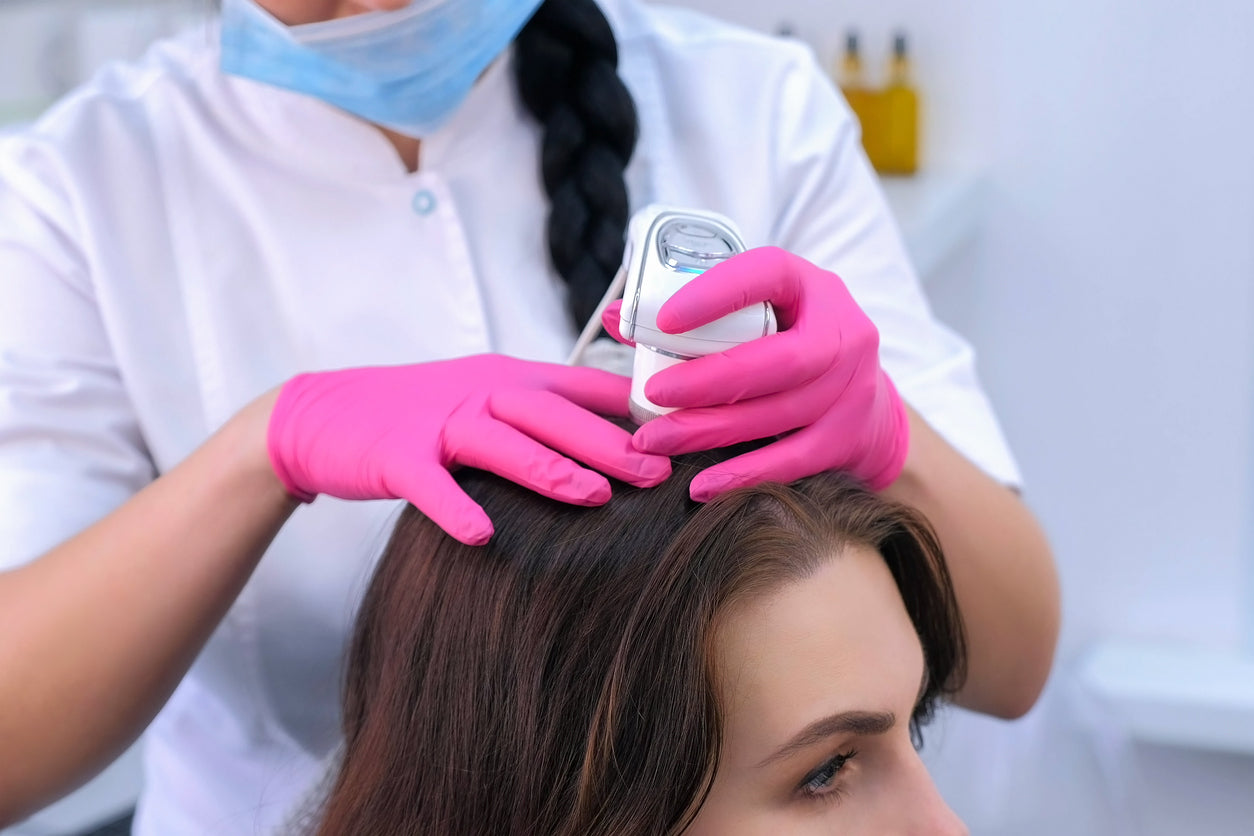
How it works: A trichoscope magnifies the scalp, helping trichologists detect abnormalities like clogged follicles, irritation, or inflammation.
Why it’s effective: It provides a clear understanding of the underlying issues, leading to tailored treatment plans.
2. Customized Hair Loss Diagnosis
The best trichologists perform thorough evaluations to identify the root causes of hair loss. This includes:
Blood tests to check for nutritional deficiencies or hormonal imbalances.
Pull tests to evaluate hair fragility.
Scalp biopsies in severe cases to diagnose scarring alopecia or other serious conditions.
3. Laser Therapy for Hair Regrowth
Low-level laser therapy (LLLT) is a popular, non-invasive technique.
How it works: It uses red light to stimulate cellular activity in hair follicles, promoting growth.
Why it’s effective: It improves blood circulation and follicle vitality.
4. Platelet-Rich Plasma (PRP) Therapy
PRP therapy has gained significant traction among trichologists.
How it works: A patient’s blood is processed to extract plasma rich in growth factors, which is then injected into the scalp.
Why it’s effective: PRP stimulates hair follicles, accelerates healing, and encourages natural growth.
5. Microneedling for Scalp Rejuvenation
Microneedling is another innovative technique for improving scalp health.
How it works: Tiny needles create micro-injuries on the scalp, encouraging the production of collagen and stimulating follicle activity.
Why it’s effective: It enhances absorption of topical treatments and boosts hair regrowth.
6. Advanced Topical Treatments
The best trichologists prescribe personalized topical treatments. These may include:
Minoxidil-based solutions for improving blood flow to hair follicles.
Specialized shampoos and serums designed for individual scalp needs.
7. Nutritional and Lifestyle Guidance
Hair health is intricately linked to overall well-being. Trichologists often:
Recommend dietary adjustments to combat deficiencies.
Suggest stress-management techniques, as stress can exacerbate hair loss.
8. Hair Transplantation Techniques
For severe hair loss cases, surgical interventions like Follicular Unit Extraction (FUE) or Follicular Unit Transplantation (FUT) may be recommended.
How it works: Hair follicles are transplanted from donor areas to thinning or balding regions.
Why it’s effective: These techniques offer long-lasting, natural results.
Benefits of Consulting the Best Trichologists
Accurate Diagnosis: Precise identification of the root cause ensures effective treatment.
Personalized Solutions: Tailored plans address individual needs and improve outcomes.
Advanced Techniques: Access to the latest innovations leads to faster, more reliable results.
Holistic Care: Advice on lifestyle and nutrition fosters long-term hair health.
How to Choose the Best Trichologists
1. Certifications and Experience
Look for professionals with recognized certifications and a proven track record.
2. Client Reviews and Success Stories
Positive testimonials reflect the expertise and reliability of the trichologist.
3. Use of Advanced Technology
Opt for specialists who employ state-of-the-art diagnostic and treatment tools.
4. Comprehensive Services
A good trichologist should offer a range of solutions, from non-invasive treatments to surgical options.
Highly Searched FAQs
1. What qualifications should the best trichologists have?
The best trichologists typically hold certifications in trichology and dermatology, with additional training in advanced hair restoration techniques.
2. Can trichologists treat all types of hair loss?
Yes, they can address various hair loss types, including androgenetic alopecia, alopecia areata, and telogen effluvium.
3. How soon can I see results from trichologist treatments?
Results vary depending on the treatment and individual condition but may take 3–6 months to show noticeable improvements.
4. Is PRP therapy for hair regrowth safe?
Yes, PRP is generally safe as it uses the patient’s own blood, minimizing the risk of allergic reactions.
5. Do trichologists recommend over-the-counter hair loss products?
They may recommend clinically proven products but usually tailor treatments to your specific needs.
6. How often should I visit a trichologist?
Regular visits every 3–6 months are ideal for monitoring progress and adjusting treatments.
7. Are trichologist treatments suitable for all age groups?
Yes, trichologists can treat individuals across various age groups, depending on the condition.
By utilizing these techniques and offering personalized care, the best trichologists ensure exceptional results for their clients. If you're experiencing hair or scalp concerns, consulting a professional can be your first step towards reclaiming your confidence.