What Qualifications Should the Trichologists Have?
Trichologists play an essential role in diagnosing and addressing hair and scalp issues, ensuring people maintain healthy hair and improved self-confidence. Whether dealing with hair loss, dandruff, or scalp sensitivity, their expertise is crucial in determining the underlying causes of these problems. But how do you determine the qualifications of the trichologists?
The Best Trichologists are those who possess a solid educational foundation, relevant certifications, extensive training, and practical experience. Understanding what makes these professionals exceptional can help individuals seeking their services make informed decisions. This article will explore the qualifications necessary to identify a top-tier trichologist.
Educational Background
To be recognized as one of the trichologists, a professional must have a robust educational foundation. While not all trichologists start with the same academic journey, most pursue studies in the following areas:

Biological Sciences: Knowledge of biology is essential to understand the complexities of hair and scalp conditions. Many trichologists begin their education with a degree in biology or a related field.
Medical or Healthcare Education: Some trichologists pursue nursing, dermatology, or general healthcare degrees, which provide an advanced understanding of human anatomy and physiology.
Specialized Trichology Courses: Numerous institutions offer specialized courses in trichology. These programs typically cover hair growth cycles, scalp disorders, and treatments, giving professionals the tools to excel in this field.
A combination of these educational paths equips trichologists with the theoretical knowledge necessary to provide accurate diagnoses and effective solutions.
Professional Certification and Accreditation
The trichologists often have professional certifications to validate their expertise. Certification not only assures clients of their proficiency but also demonstrates a commitment to maintaining industry standards. Some of the widely recognized certifications and accreditations include:
International Association of Trichologists (IAT): This globally recognized organization offers a certification program that requires comprehensive training and passing a rigorous exam.
Institute of Trichologists (IoT): Based in the UK, this institute is one of the oldest and most prestigious organizations in the field, providing high-quality training and certification.
World Trichology Society (WTS): Professionals certified by the WTS receive in-depth knowledge of hair loss disorders, scalp treatments, and cosmetic trichology.
Having one or more of these certifications reflects a trichologist’s dedication to their craft and adherence to professional standards.
Clinical Training and Practical Experience
In addition to formal education, hands-on clinical training is vital for any trichologist aiming to be the best. Classroom knowledge is insufficient without real-world application, as hair and scalp issues can vary significantly from person to person.
Apprenticeships and Internships
Many aspiring trichologists gain experience through apprenticeships or internships under seasoned professionals. This practical training allows them to observe and participate in consultations, diagnosis, and treatment planning.
Case Studies and Research
The trichologists often engage in case studies and research to deepen their understanding of rare and complex hair disorders. This continuous learning process ensures they remain knowledgeable about the latest advancements in the field.
Years of Experience
Experience is one of the most critical factors in determining expertise. Trichologists who have worked with diverse cases over the years are better equipped to handle unique or challenging conditions.
Comprehensive Knowledge of Hair and Scalp Conditions
Trichologists deal with a wide range of issues, and the best professionals must have a thorough understanding of various hair and scalp conditions, including:
Alopecia: Different forms of hair loss, such as androgenetic alopecia, alopecia areata, and telogen effluvium.
Scalp Infections: Conditions like seborrheic dermatitis, fungal infections, and psoriasis.
Hair Shaft Disorders: Issues like trichorrhexis nodosa or hair breakage.
Nutritional Deficiencies: Identifying how diet impacts hair and scalp health.
This knowledge allows trichologists to offer personalized treatment plans tailored to each client’s needs.
Advanced Diagnostic Techniques
One of the hallmarks of the trichologists is their ability to use advanced diagnostic techniques. Diagnosing hair and scalp conditions requires precision, as the wrong treatment can exacerbate the issue. Professionals in this field often utilize:
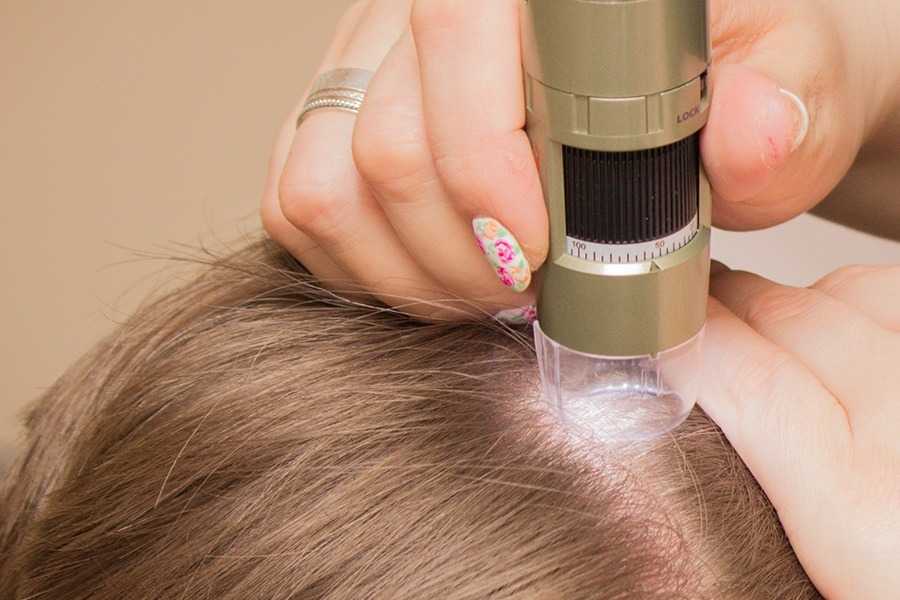
Scalp Analysis Tools: Devices like dermatoscopes to examine the scalp closely.
Microscopic Examination: Analyzing hair strands to detect structural abnormalities or fungal infections.
Blood Tests and Medical History Evaluation: Identifying underlying health issues or deficiencies contributing to hair problems.
Mastering these techniques ensures that trichologists can pinpoint the root cause of hair and scalp concerns accurately.
Continuing Education and Professional Development
The field of trichology is constantly evolving, with new research and treatments emerging regularly. The trichologists commit to lifelong learning to stay updated on these advancements.
Workshops and Seminars
Participating in industry workshops and seminars allows professionals to learn about new diagnostic tools, products, and methodologies.
Professional Memberships
Being part of organizations like the International Association of Trichologists or World Trichology Society ensures access to the latest resources and networking opportunities.
Research Contributions
Some trichologists go beyond learning and contribute to the field through research, publishing papers, or presenting findings at conferences.
Interpersonal and Communication Skills
Technical expertise alone doesn’t define the trichologists. They must also possess excellent interpersonal and communication skills to ensure a positive client experience. These skills include:
Empathy: Understanding the emotional impact of hair loss and scalp issues.
Clarity: Explaining diagnoses and treatment plans in a way that clients can easily understand.
Professionalism: Maintaining confidentiality and delivering services with respect and care.
A compassionate approach helps build trust and fosters long-term relationships with clients.
Ethical Practices and Integrity
Integrity is a non-negotiable quality for any healthcare professional, including trichologists. The best practitioners adhere to strict ethical standards, such as:
Providing honest diagnoses without exaggerating issues to sell unnecessary treatments.
Recommending solutions that prioritize the client’s well-being over profit.
Respecting cultural and personal preferences during consultations.
These practices ensure that clients receive genuine care and effective solutions.
Collaboration with Other Specialists
Hair and scalp problems often have underlying causes that require input from other medical professionals. The trichologists know when to collaborate with specialists, such as:
Dermatologists: For skin-related scalp issues.
Nutritionists: For dietary deficiencies impacting hair health.
Endocrinologists: For hormonal imbalances contributing to hair loss.
This multidisciplinary approach ensures comprehensive care for clients.
Use of Cutting-Edge Technology and Products
The trichologists embrace modern technology and innovative products to deliver top-tier services. This includes:
Laser Therapy: For stimulating hair growth and improving scalp health.
Custom Hair Care Products: Developing or recommending specialized shampoos, serums, or medications.
Non-Invasive Treatments: Offering solutions that minimize discomfort and downtime.
Being at the forefront of technology allows these professionals to provide more effective and efficient treatments.
Reputation and Client Reviews
A trichologist’s reputation is often a reflection of their qualifications and expertise. The trichologists typically have:
Positive Client Testimonials: Genuine feedback from satisfied clients.
Online Presence: Professional websites or profiles showcasing their qualifications and services.
Industry Recognition: Awards or accolades from reputable organizations.
Checking reviews and recommendations can help potential clients identify the best professionals in the field.
Cultural Sensitivity and Adaptability
In diverse regions, trichologists must be sensitive to cultural practices and preferences. The best professionals adapt their approaches to respect these differences, ensuring clients feel understood and valued.
Hair Types and Textures
Understanding the unique needs of various hair types—such as curly, straight, or coily hair—is crucial for effective treatments.
Cultural Practices
Being aware of traditional hair care routines or religious practices that influence hair health can improve client satisfaction.
Commitment to Client Education
Educating clients about hair and scalp health is another key qualification for the trichologists. Empowering clients with knowledge ensures they can take proactive steps to maintain healthy hair between appointments.
Trichologists achieve this by:
Offering clear explanations of diagnoses and treatments.
Providing actionable tips for daily hair care routines.
Sharing resources like articles, videos, or brochures.
This approach fosters a collaborative relationship and promotes long-term results.
Conclusion
The qualifications of the trichologists go beyond academic credentials; they encompass practical experience, continuous learning, ethical practices, and strong interpersonal skills. By understanding these qualifications, individuals can confidently select a trichologist who will address their hair and scalp concerns effectively.
Whether you're experiencing hair thinning, scalp irritation, or any other issue, seeking out a qualified and experienced professional is the first step toward resolving your concerns. Look for a trichologist who embodies these qualities to ensure you receive the highest standard of care.