What Are the Signs That Mole Removal Is Needed?
Moles are common skin growths that most people have at some point in their lives. While most moles are harmless and do not require any treatment, some can change over time and become a concern. Understanding when mole removal might be necessary is important for maintaining skin health and addressing any potential issues early. This article explores the signs that indicate Mole Removal in Dubai may be needed, as well as how to identify concerning changes in your moles.
Changes in Size and Shape
One of the first signs that mole removal may be needed is a change in size or shape. Moles that grow larger over time or develop an irregular shape can be a sign of an underlying issue, including skin cancer. Healthy moles usually remain round or oval with a smooth, even border. If the edges of a mole become uneven or jagged, or if the mole becomes asymmetrical, it's a good idea to have it checked by a dermatologist. The presence of unusual changes in size and shape may warrant mole removal to ensure that it is not cancerous.
Color Changes
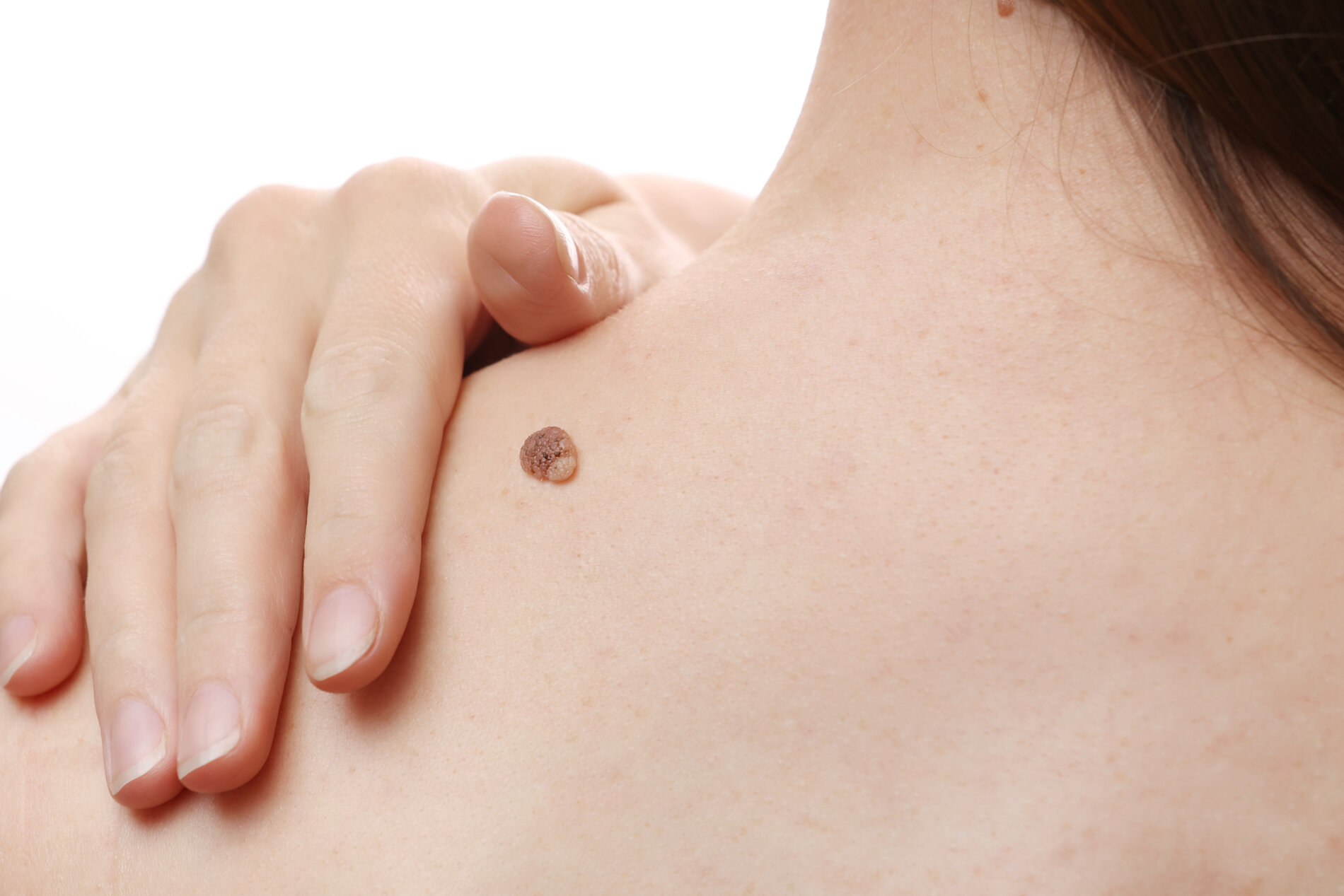
Moles can naturally vary in color, but sudden or significant changes in their color may indicate a problem. For example, a mole that darkens or develops multiple colors may be a sign of malignancy. Some moles can become patchy, with areas of red, white, or blue. This kind of change in pigmentation should be carefully monitored. If a mole becomes uneven in color or develops new shades, it is essential to seek professional advice to determine whether mole removal is required.
Bleeding or Oozing
If a mole begins to bleed, ooze, or develop crusty scabs, it can be a cause for concern. While some moles may bleed if irritated or scratched, persistent or unexplained bleeding is a warning sign that something may be wrong. Moles that are oozing fluid or blood might indicate infection or, in some cases, could be symptomatic of skin cancer. It is crucial to address these symptoms promptly, as they may suggest that mole removal is necessary to prevent further complications.
Itching or Pain
Itching or tenderness around a mole can also indicate a need for mole removal. While occasional itching around a mole might not always be alarming, continuous discomfort, pain, or itching may be a sign that the mole is becoming problematic. Pain in or around a mole can signal inflammation or irritation, which can result from skin cancer or other dermatological conditions. If a mole becomes painful or sensitive to touch, it should be examined by a healthcare provider who may recommend mole removal for further evaluation.
Irregular Borders
A mole with irregular borders is another red flag for potential problems. Healthy moles typically have smooth, well-defined borders that are symmetrical. If the edges of a mole become blurry, jagged, or uneven, this could indicate that it is growing abnormally. Irregular borders are one of the key features dermatologists look for when assessing a mole for possible malignancy. Any mole that changes from a regular, well-defined shape to one with unclear, ragged edges should be evaluated to determine whether mole removal is necessary.
A New Mole Appears
In some cases, new moles can appear on the skin over time. While most of these new moles are harmless, it’s important to keep track of them, especially if they emerge in adulthood. Moles that appear suddenly and rapidly change in size, color, or texture may be indicative of a problem. It’s advisable to monitor any new moles for concerning changes and consult a dermatologist to rule out any serious conditions. If the new mole has suspicious features, mole removal may be necessary to assess whether it is benign or malignant.
Symmetry Issues
Symmetry is another characteristic to pay attention to when assessing moles. Normal moles are generally symmetrical, meaning that if you draw a line down the middle, both sides of the mole should be equal. Asymmetrical moles, on the other hand, may suggest that the mole is growing abnormally. If a mole exhibits a lopsided or uneven shape, it could be a sign that mole removal is needed to determine if it is a benign or malignant growth.
Family History of Skin Cancer
If you have a family history of skin cancer or have been previously diagnosed with melanoma or other types of skin cancer, you may be at a higher risk of developing problematic moles. People with a family history of skin cancer should be vigilant in monitoring their moles for any signs of change. Regular skin checks by a dermatologist are essential to catch any early warning signs. In such cases, mole removal may be recommended even if the mole does not show typical signs of concern.
A Mole Becomes Raised or Lumpy
Moles can be flat or raised, but a mole that suddenly becomes raised or lumpy may require removal. While it is common for moles to slightly rise above the surface of the skin, an unexpected change in elevation, texture, or firmness can be indicative of a problem. A mole that becomes hard, raised, or forms lumps under the skin should be evaluated by a dermatologist. A lump could suggest the presence of a growth that requires removal and further examination.
Unusual Surface Texture
A mole’s surface texture can also provide important clues about its health. Healthy moles typically have a smooth surface, although they may occasionally become slightly rough. However, if the mole becomes scaly, crusted, or develops a rough texture, it may require further evaluation. A change in surface texture, particularly if accompanied by any other warning signs such as bleeding, itching, or pain, may signal that the mole should be removed for testing.
Delayed Healing
If a mole or the area around it does not heal after a wound or injury, it may be a sign that there is a deeper issue. Healthy moles should not remain open or non-healing for extended periods. Moles that don’t heal, or continue to bleed and cause discomfort, could be infected or may indicate something more serious. Delayed healing could suggest that the mole is abnormal and may require removal to prevent further complications.
Conclusion
Moles are common and usually harmless, but changes in their appearance, size, shape, color, or texture can indicate potential issues. If you notice any of the signs mentioned above, it is important to seek the advice of a dermatologist. Mole removal can be an essential step in preventing the development of more serious conditions such as skin cancer. Regular monitoring of your skin, along with professional check-ups, can help ensure your moles remain healthy and free from complications. Always trust your instincts and consult a healthcare professional if you have concerns about any moles or changes in your skin.