Is Laser Hair Removal Safe for Sensitive Skin?
Laser hair removal is a popular and effective method for long-lasting hair reduction. The procedure uses concentrated light to target hair follicles, disrupting their ability to grow hair. As with any cosmetic treatment, proper aftercare is essential to ensure the best results, minimize side effects, and promote healing. If you're considering laser hair removal, understanding the aftercare process is crucial to getting the most out of your treatment. This article will guide you through the necessary aftercare steps following your Laser hair removal in Dubai session to ensure smooth and safe recovery.
Immediate Aftercare for Laser Hair Removal
The first few hours after laser hair removal are critical for the healing process. Immediately following the procedure, your skin may be red, swollen, or sensitive. These are common side effects, and while they may feel uncomfortable, they typically subside within a few hours to a few days.
Here are some immediate aftercare steps you should follow:
Cool Compresses: To reduce redness and swelling, apply a cool compress to the treated area. This can soothe your skin and help alleviate discomfort.
Avoid Heat: For the first 24-48 hours, avoid hot showers, saunas, and hot tubs. Heat can irritate the skin and worsen swelling.
Stay Out of the Sun: It's crucial to avoid direct sun exposure for at least a week following your treatment. UV rays can irritate the treated area and increase the risk of hyperpigmentation (darkening of the skin) or hypopigmentation (lightening of the skin).
Moisturize: Keeping the skin moisturized is essential to help it recover. Use a gentle, fragrance-free moisturizer that won't irritate your skin.
Post-Treatment Skin Sensitivity
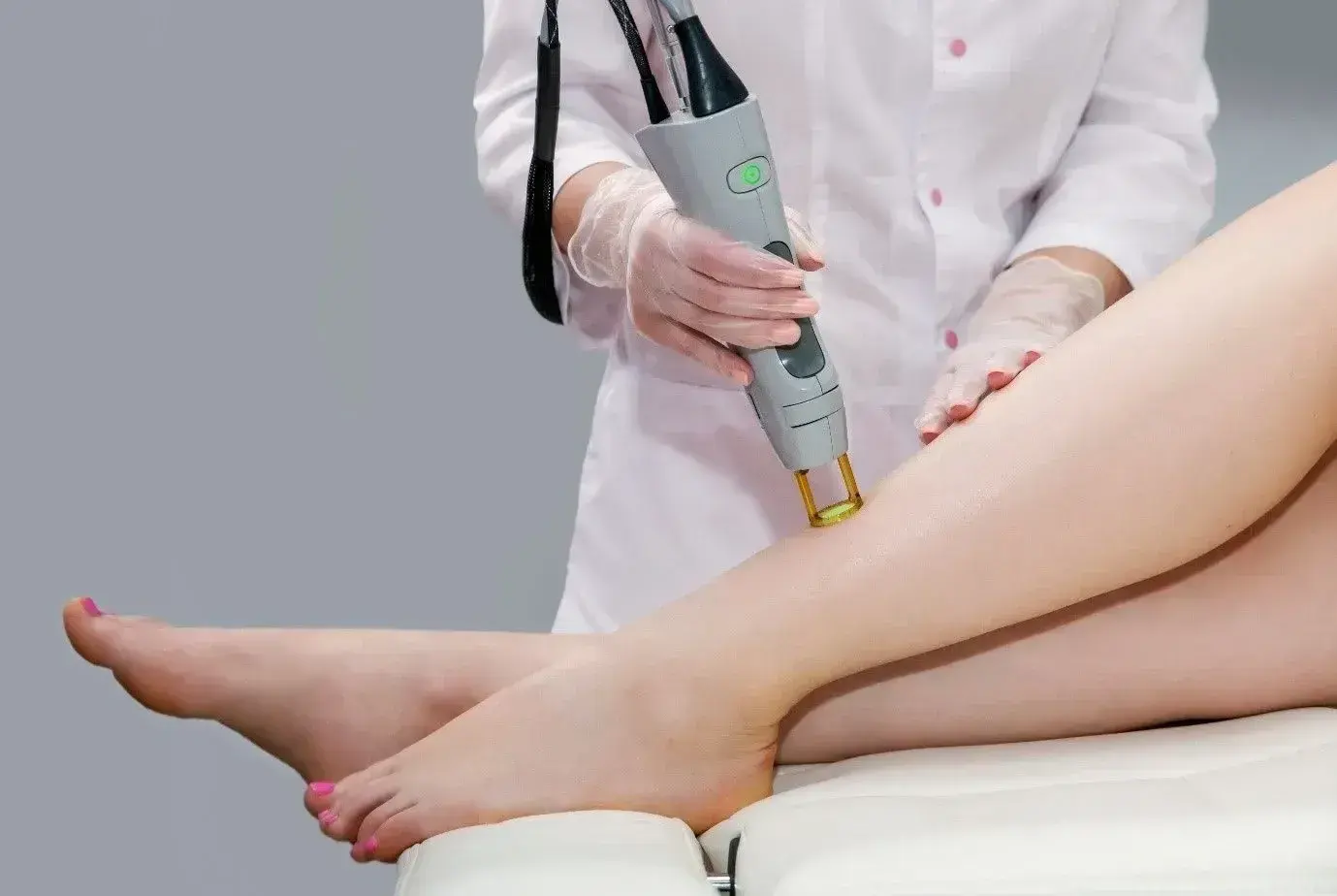
After undergoing Laser Hair Removal, your skin may feel sensitive, similar to the sensation of a mild sunburn. This is due to the light energy used to target the hair follicles, and it's perfectly normal. The skin might appear red and slightly inflamed, but this typically resolves within a few hours.
To manage skin sensitivity, consider these tips:
Gentle Skincare: Use mild, non-abrasive cleansers for a few days after the treatment. Avoid using scrubs, exfoliants, or any harsh chemicals that can irritate your skin.
No Scratching or Rubbing: It’s essential not to scratch or rub the treated areas, even if they feel itchy. Doing so can lead to irritation or infection.
Avoid Makeup: Try to avoid applying makeup for 24 hours after your treatment, especially on the treated area. Your pores may be more open than usual, making your skin more vulnerable to breakouts.
Protecting Your Skin Post-Treatment
Protecting your skin from environmental factors after Laser Hair Removal is crucial for a smooth recovery. Even though you may not see visible damage immediately, your skin can still be quite sensitive.
Here are some important post-treatment protection tips:
Sun Protection: As mentioned earlier, avoid direct sun exposure for at least a week, but also continue applying a high-SPF sunscreen (SPF 30 or higher) when you need to go outside. This will protect the treated area from harmful UV rays that can cause complications, including pigmentation changes.
Avoid Tanning: Tanning beds, self-tanners, and other sun-related activities should be avoided until your skin has completely healed. UV exposure during this time can lead to complications like pigmentation issues.
Wear Loose Clothing: After laser hair removal, your skin may be more sensitive, especially around the treated area. Wear loose, breathable clothing to avoid friction or irritation. Tight clothing may cause discomfort or aggravate the skin.
Hair Shedding Process After Laser Hair Removal
Laser hair removal targets the hair follicle, which inhibits future hair growth. However, the hair does not immediately fall out after the treatment. Instead, the treated hairs will shed gradually in the weeks following the procedure.
Here’s how the shedding process works:
Initial Shedding: Within 5-14 days after the treatment, you may notice the treated hairs beginning to shed. This is a normal process, and it should not be mistaken for hair regrowth. As the follicles are destroyed, the hair will naturally fall out.
Do Not Pluck: During the shedding phase, avoid plucking or waxing the treated hairs. Instead, let them fall out on their own. Plucking can interfere with the effectiveness of the treatment and can potentially damage the follicles.
Shaving Is Safe: Shaving the treated area is fine during the shedding process, as it does not affect the follicle or impede the treatment's progress.
Long-Term Aftercare for Laser Hair Removal
Laser hair removal is typically not a one-time treatment. Depending on your hair color, skin type, and the area being treated, multiple sessions may be required for optimal results. Long-term aftercare ensures that your skin continues to heal and that you achieve the best results from your treatments.
Follow the Treatment Schedule: It's essential to follow the recommended treatment schedule provided by your technician or dermatologist. Missing sessions can result in hair regrowth and may prolong the process.
Monitor Skin Reactions: Keep an eye on your skin after each session. If you notice any unusual symptoms, such as blistering, excessive redness, or prolonged discomfort, reach out to your healthcare provider for advice.
Hydrate and Moisturize: Continuing to moisturize the treated area over the long term can help maintain skin health and improve the overall appearance. Drink plenty of water to support the skin's recovery.
Avoid Excessive Heat: Even after your treatment course, try to avoid excessive heat exposure (like saunas, steam rooms, or hot showers), especially for the first few weeks following each session. High heat can irritate sensitive skin.
When to Expect Results from Laser Hair Removal
Laser hair removal works by weakening the hair follicles, so hair growth gradually decreases over time. However, immediate results are not expected after one session. Depending on the treatment area and hair type, full results can take several months.
Here’s a rough timeline for what you can expect:
Immediate Post-Treatment: You may notice a reduction in hair density and growth right away, but full shedding takes time. Redness and swelling should subside within hours or days.
First Month: During the first few weeks after your session, you’ll likely notice hair shedding. Don’t be alarmed if it takes a little longer for the hair to fall out.
Multiple Sessions: Most patients require 4-6 sessions for permanent hair reduction. Sessions are spaced several weeks apart, depending on your hair growth cycle. The results will become more evident after each session, and the hair will grow back thinner and less noticeable over time.
Common Side Effects and When to Seek Medical Attention
Although laser hair removal is generally safe, it’s important to be aware of potential side effects and complications. Most side effects are temporary, but if you experience any unusual or severe reactions, it’s essential to seek medical advice.
Common side effects include:
Redness and Swelling: This is normal and should subside within a few hours to a couple of days.
Skin Pigmentation Changes: Some people may experience temporary lightening or darkening of the skin, particularly if exposed to the sun during the healing process.
Blistering or Scarring: Although rare, blistering or scarring may occur, especially if the aftercare instructions aren’t followed. If this happens, seek professional advice promptly.
Infection: Signs of infection include pus, severe pain, or fever. If you suspect an infection, consult a healthcare professional immediately.
Conclusion
Aftercare for Laser Hair Removal is crucial to ensure optimal results and avoid complications. By following the steps outlined above, you can help your skin recover quickly, protect it from environmental damage, and achieve smoother, hair-free skin. Remember, patience is key—laser hair removal is a gradual process, and multiple sessions may be required to achieve the best results. Always follow your technician's advice and seek medical attention if you experience any unusual side effects.
4o mini
You said:
Is Laser Hair Removal Safe for Sensitive Skin?
ChatGPT said:
ChatGPT
Is Laser Hair Removal Safe for Sensitive Skin?
Laser hair removal is a widely popular and effective method of hair reduction, offering long-term results with minimal maintenance. While it is generally safe for most skin types, individuals with sensitive skin often have concerns about how their skin will react to the procedure. The question of whether laser hair removal is safe for sensitive skin is a valid one and requires a nuanced understanding of how the procedure works, the types of lasers used, and the aftercare involved. In this article, we’ll discuss whether laser hair removal is suitable for those with sensitive skin and what precautions should be taken.
Understanding Sensitive Skin and Laser Hair Removal
Sensitive skin is often more prone to irritation, redness, and allergic reactions. Factors such as genetics, environmental triggers, underlying skin conditions (like eczema or rosacea), and the use of certain skincare products can all contribute to heightened skin sensitivity. These individuals may wonder whether a treatment like laser hair removal, which involves the use of focused light energy to target hair follicles, could cause adverse reactions.
Laser hair removal works by emitting concentrated light energy that is absorbed by the pigment in the hair follicles, causing them to become damaged and ultimately inhibiting hair growth. The process can sometimes cause temporary side effects such as redness, swelling, or discomfort. For individuals with sensitive skin, these effects may be more pronounced. However, with the proper precautions, laser hair removal can still be a safe and effective treatment.
Types of Lasers and Their Suitability for Sensitive Skin
Different types of lasers are used for hair removal, and some are better suited for sensitive skin than others. The key is selecting the right laser technology based on your skin type, hair color, and the specific concerns related to your skin’s sensitivity.
1. Alexandrite Laser
The Alexandrite laser is a popular choice for laser hair removal due to its ability to treat a variety of skin types. However, it may not be the best option for individuals with very sensitive skin, as it can sometimes cause irritation, redness, or pigmentation changes. This laser is typically used for fair to medium skin tones.
2. Diode Laser
The Diode laser is often recommended for sensitive skin because it works at a longer wavelength, which allows it to penetrate the skin more deeply and target hair follicles with minimal surface disruption. It is effective for individuals with medium to dark skin tones and is less likely to cause skin irritation compared to other lasers.
3. NdLaser
The Nd
laser is considered the safest option for sensitive skin, particularly for individuals with darker skin tones. It has a longer wavelength, allowing it to bypass the upper layers of skin and target hair follicles directly. This makes it a gentler option, with a lower risk of causing irritation or pigmentation changes. It is generally safe for all skin types, including sensitive skin, and has fewer side effects.
4. Ruby Laser
The Ruby laser is one of the oldest types of lasers used for hair removal. It is more suitable for individuals with light skin tones and dark hair. It is not as commonly used anymore due to the availability of newer, more effective lasers, but when used on sensitive skin, it can sometimes cause redness and irritation.
Factors to Consider for Sensitive Skin
While the choice of laser is important, several factors need to be considered to ensure that laser hair removal is safe for sensitive skin.
1. Patch Test
One of the most important steps before undergoing laser hair removal, especially if you have sensitive skin, is a patch test. This involves testing a small area of your skin to determine how it reacts to the laser. If there is no severe irritation or adverse reaction after 24-48 hours, you can proceed with the full treatment.
2. Skin Condition
If you have any active skin conditions such as eczema, psoriasis, or rosacea, it is crucial to inform your practitioner before undergoing laser hair removal. These conditions can increase the risk of skin irritation, and you may need to adjust your treatment or opt for gentler options. Laser hair removal should not be performed on broken or irritated skin.
3. Laser Settings
For individuals with sensitive skin, the laser settings should be adjusted to a lower intensity to minimize the risk of irritation. Experienced practitioners can tailor the settings according to your skin type and the area being treated. The goal is to achieve the best results with the least discomfort.
4. Avoiding Sun Exposure
After a laser hair removal treatment, the skin can be more sensitive to sunlight. Sun exposure increases the risk of pigmentation issues, irritation, and burns. It’s essential to avoid direct sun exposure for several weeks before and after treatment. Always use a broad-spectrum sunscreen with a high SPF to protect the treated areas.
Potential Risks and Side Effects for Sensitive Skin
While laser hair removal is generally safe, there are a few potential risks and side effects, particularly for individuals with sensitive skin.
1. Redness and Swelling
One of the most common side effects of laser hair removal is temporary redness or swelling in the treated area. This is usually mild and subsides within a few hours to a few days. However, individuals with sensitive skin may experience more pronounced redness or swelling, which can take longer to resolve.
2. Hyperpigmentation or Hypopigmentation
Sensitive skin is more prone to pigmentation changes, including dark spots (hyperpigmentation) or light spots (hypopigmentation). These changes can occur if the skin is exposed to sun after treatment or if the laser settings are too intense for your skin. The risk of pigmentation issues is higher in individuals with darker skin tones.
3. Blistering and Burns
Although rare, blistering or burns can occur if the laser settings are too high or if the skin is overexposed. Sensitive skin may react more severely to the treatment, so it is essential to follow proper aftercare and avoid sun exposure to minimize this risk.
4. Infection
In some cases, individuals with sensitive skin may be more prone to infections after laser hair removal. Proper hygiene, avoiding scratching the treated area, and following aftercare instructions can help reduce the risk of infection.
Aftercare for Sensitive Skin
Proper aftercare is especially important for those with sensitive skin to promote healing and reduce the risk of side effects. Here are some aftercare tips to follow:
Use a Soothing Lotion: Apply a soothing, fragrance-free lotion or aloe vera gel to the treated area to reduce redness and inflammation.
Avoid Sun Exposure: As mentioned earlier, avoid sun exposure for at least two weeks after treatment. Use sunscreen with SPF 30 or higher on exposed areas to protect your skin.
Avoid Hot Showers: After treatment, avoid hot showers, saunas, and hot tubs for the first 48 hours to prevent further irritation.
Don’t Scrub or Scratch: It’s important not to scrub, scratch, or pick at the treated areas to avoid infection and irritation.
Hydrate and Moisturize: Keep the skin hydrated by drinking plenty of water and applying gentle moisturizers to prevent dryness and peeling.
Conclusion
Laser hair removal can be safe for sensitive skin, but it requires careful consideration of various factors, including the type of laser used, your skin condition, and proper aftercare. Choosing the right type of laser, such as the Nd
laser, and ensuring your practitioner adjusts the settings appropriately for your skin type will minimize the risks. By following the proper aftercare and attending patch tests before starting treatment, you can significantly reduce the chance of irritation and enjoy effective, long-lasting hair reduction results. Always consult with a qualified practitioner to determine if laser hair removal is right for you and discuss any concerns regarding your skin sensitivity.