Is Laser Dentistry Safe for All Patients?
Laser dentistry has emerged as a revolutionary technique, bringing many advantages to dental procedures. With its precise and efficient approach, it has gained popularity in recent years. However, one of the most frequently asked questions surrounding laser dentistry is whether it is safe for all patients. While the use of lasers in dentistry is generally considered safe, there are important factors to consider regarding patient suitability and potential risks.
In this article, we will explore the safety of Laser Dentistry in Dubai, its applications, who should consider it, and who may not be the best candidates for this type of treatment.
Understanding Laser Dentistry
Laser dentistry involves the use of focused light energy to perform a variety of dental procedures. This advanced technique is used for soft and hard tissue treatments, including cavity removal, gum reshaping, teeth whitening, and even treating certain oral infections. The laser beam helps to remove or reshape tissues with minimal discomfort, often without the need for a scalpel or stitches.
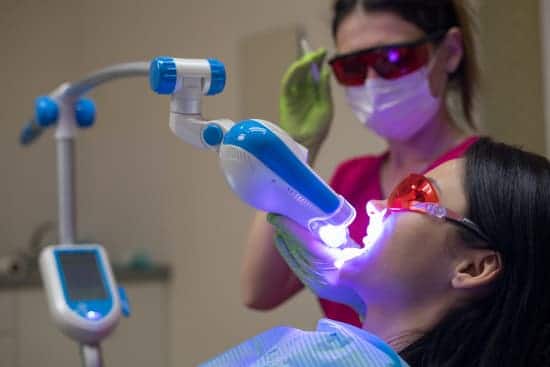
Laser treatments in dentistry are generally well-tolerated by most patients and offer advantages such as reduced bleeding, faster recovery times, and greater precision. Despite its many benefits, there are some considerations regarding its safety for all patients.
Who Can Benefit from Laser Dentistry?
Laser dentistry can be an ideal solution for many patients. It is particularly beneficial for those who are nervous about traditional dental procedures or those with dental anxiety. The precision of the laser reduces the need for invasive techniques, leading to less discomfort during and after the procedure.
Additionally, people with certain conditions or sensitivities may find laser dentistry less intrusive than traditional methods. For instance, patients who require treatment for gum disease or tooth decay can benefit from the minimally invasive approach that laser dentistry offers. Lasers can target the problem area without disturbing surrounding tissues, making the procedure more comfortable and efficient.
People with Dental Anxiety
One of the key benefits of laser dentistry is its ability to reduce dental anxiety. The absence of sharp instruments like drills or scalpels can make a significant difference for patients who fear dental visits. The procedure is often quicker, reducing the time spent in the dental chair and potentially alleviating anxiety. For those who have avoided dental care due to fear, laser dentistry provides an effective and less intimidating alternative.
Patients with Special Health Conditions
Patients with certain health conditions may find laser dentistry beneficial due to its precision and the reduced risk of complications. For example, patients who take blood thinners or have clotting disorders may be at risk of excessive bleeding during traditional procedures. Laser dentistry can minimize bleeding and reduce the need for stitches, making it safer for these individuals.
Conditions That May Affect Laser Dentistry Suitability
While laser dentistry is generally safe for most patients, it may not be suitable for everyone. There are several conditions and circumstances where laser treatment may not be the best option.
Pregnant Women
Pregnant women may be advised to avoid certain dental treatments, including laser dentistry. While some laser procedures may be safe during pregnancy, others may involve the use of medications or anesthesia that could pose risks. Pregnant women should always consult with their dentist and obstetrician before undergoing any dental procedure, including laser treatments.
Patients with Certain Medical Conditions
Some medical conditions may limit the effectiveness or safety of laser dentistry. For instance, individuals with compromised immune systems, such as those undergoing chemotherapy or with HIV/AIDS, may face increased risks of infections or complications. In such cases, alternative treatments may be recommended.
Additionally, patients with eye conditions, such as glaucoma, may need to avoid laser treatments that involve the use of certain types of lasers. Eye protection is always used during laser dental procedures, but specific conditions may require special consideration.
Individuals with Sensory Sensitivities
Patients with sensory sensitivities may experience discomfort with certain types of lasers used in dental procedures. The sound, light, and vibrations produced by laser devices may be overwhelming for some individuals. For those with heightened sensitivities, such as patients on the autism spectrum, alternative methods may be explored.
Individuals with Active Infections
Laser dentistry is highly effective for treating some oral infections, such as gum disease or cavities. However, if an infection is active and severe, it may require a more traditional approach to eliminate the bacteria before proceeding with laser treatments. In some cases, antibiotics or other treatments may be necessary before a patient can safely undergo laser dentistry.
Safety Protocols in Laser Dentistry
Laser dentistry is widely considered safe when performed by trained and qualified professionals. Dentists who offer laser treatments undergo specialized training to ensure that they understand how to properly operate the equipment and deliver the correct treatment. In addition to proper training, several safety protocols are followed during laser dentistry procedures.
Eye Protection
One of the primary safety measures in laser dentistry is the use of eye protection. The lasers used in dental procedures emit intense beams of light, which can be harmful to the eyes. Therefore, both the patient and the dental team are provided with protective eyewear to prevent accidental exposure to the laser beam. This is a standard safety practice that ensures that laser dentistry remains safe for everyone involved.
Proper Laser Calibration
Another important safety measure is the proper calibration of the laser equipment. Dentists must ensure that the laser is set to the correct intensity for each specific procedure. Different lasers have varying capabilities, and calibrating the device ensures that the treatment is both effective and safe. Calibration also reduces the risk of damage to surrounding tissues and minimizes side effects like burns.
Patient Monitoring
During laser dentistry procedures, the dentist closely monitors the patient’s condition. This includes monitoring pain levels, potential bleeding, and any unusual reactions. While laser treatments are generally less invasive, it is important for the dentist to stay vigilant and adjust the procedure if necessary to ensure the patient's safety.
Sterilization and Infection Control
Dental offices that offer laser treatments adhere to strict infection control protocols. This includes the sterilization of all equipment, including laser tips, and the use of sterile materials during procedures. By following proper sterilization procedures, the risk of infection is minimized, ensuring that laser dentistry is a safe option for most patients.
Potential Risks and Side Effects
Like any medical procedure, laser dentistry carries certain risks. However, the risks associated with laser treatments are typically minimal compared to traditional methods. Some potential side effects may include:
Discomfort: While lasers reduce discomfort during procedures, some patients may still experience mild pain or sensitivity after treatment. This can often be managed with over-the-counter pain relievers.
Swelling or Bleeding: In rare cases, patients may experience minor swelling or bleeding at the site of the procedure. However, these side effects are typically less severe than those seen with traditional methods.
Tissue Damage: If the laser is not used properly, there is a small risk of causing damage to surrounding tissues. This highlights the importance of choosing a qualified and experienced dentist for laser treatments.
Changes in Tooth Sensitivity: Some patients may experience temporary changes in tooth sensitivity following laser procedures, particularly if the treatment involved hard tissue such as enamel.
Despite these potential side effects, laser dentistry is generally regarded as a safe and effective option for most patients when performed by a trained professional.
Conclusion: Is Laser Dentistry Safe for All Patients?
Laser dentistry is a highly effective and minimally invasive option for many dental treatments, offering precision, reduced recovery times, and minimal discomfort. However, it is not suitable for all patients. People with specific medical conditions, pregnant women, and those with sensory sensitivities may need to avoid laser dentistry or seek alternative treatments. It is essential for patients to discuss their medical history and concerns with their dentist before undergoing any laser procedures.
In conclusion, laser dentistry is safe for most patients, provided that proper safety protocols are followed and the procedure is conducted by a skilled professional. With ongoing advancements in dental technology, laser dentistry continues to be an innovative and reliable option for enhancing oral health.
4o mini