How Long Does Skin Tag Removal Take to Heal?
Skin tag removal is a relatively straightforward procedure that can be performed using various techniques, including laser treatments. For those considering a smoother skin surface without the presence of pesky skin tags, understanding the healing process is crucial. When it comes to skin tag removal, particularly via Skin Tag Removal in Dubai, healing time can vary depending on several factors. Although laser hair removal is primarily used for hair reduction, it is also a highly effective method for skin tag removal. In this article, we'll explore how long the healing process takes and what you can expect during recovery after skin tag removal.
What Is Skin Tag Removal?
Skin tags are small, benign growths that commonly appear on the skin, especially in areas where the skin folds or rubs together, such as the neck, armpits, and groin. These growths are usually harmless, but they can be bothersome due to their appearance or frequent irritation from clothing or jewelry. Removal of skin tags can be done through several methods, with laser treatment being one of the most preferred techniques.
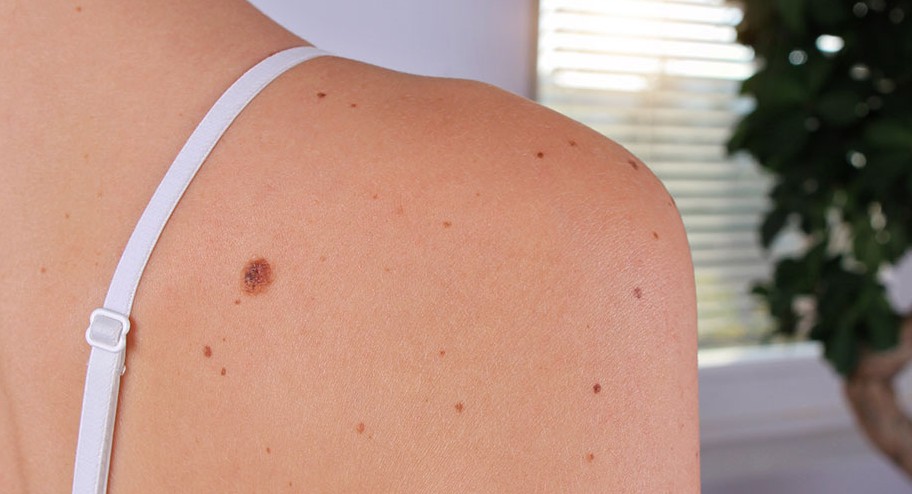
Laser skin tag removal involves using a concentrated beam of light to burn off the skin tag, causing it to dry up and fall off after a short period. This method is favored because it is precise, minimizes the risk of infection, and requires little downtime. The heat from the laser also helps reduce the likelihood of scarring, making it an ideal choice for those who want effective results with minimal recovery time.
Healing After Skin Tag Removal
After the skin tag is removed, the healing time is generally quick, especially with laser treatments. However, the exact healing duration can vary based on several factors, including the size of the skin tag, the area treated, and how well the skin heals. Typically, the healing process can take anywhere from a few days to a couple of weeks.
First Few Days:
The initial days following skin tag removal are critical for ensuring proper healing. Right after the procedure, the treated area may appear red, slightly swollen, or even develop a mild scab. This is normal and usually indicates that the body is beginning the healing process. You may be advised to keep the area clean and avoid applying any products that could irritate the skin during these early stages.
For those who opt for laser treatment, the healing process tends to be faster since the laser cauterizes the area, preventing excessive bleeding and reducing the risk of infection. You may notice a small crust or scab developing around the treated area within the first 24 hours, which will naturally fall off as the skin heals.
First Week:
During the first week after the procedure, it's important to avoid direct sun exposure and refrain from touching or scratching the treated area. If you had multiple skin tags removed, you may experience some mild discomfort or tenderness around the site. However, most people find that this discomfort is manageable and subsides within a few days.
After the skin tag removal procedure, some redness or irritation may persist for up to a week. If the laser treatment was used, the treated area will likely remain slightly swollen, but this should improve gradually. You should follow the aftercare instructions provided by your healthcare professional, which typically include gentle cleaning and applying an antibiotic ointment to prevent infection.
Second Week and Beyond:
By the second week, most of the visible healing will have occurred. The area will have healed over, and the scab should have fallen off. The redness or swelling should significantly decrease, leaving a smooth, unblemished skin surface. However, full recovery may still take a little longer, depending on individual healing rates.
In some cases, you may notice minor scarring or pigmentation changes at the treatment site. These effects are typically temporary and fade with time. Some people may also experience minor itching as the skin continues to heal. This sensation is part of the natural healing process and should not be cause for concern unless it becomes severe or persists beyond a few weeks.
Factors Affecting Healing Time
While laser treatments offer relatively quick recovery times, several factors can influence how long it takes for your skin to fully heal after the procedure:
1. Size and Number of Skin Tags:
The size and number of skin tags being removed can affect healing times. Larger or multiple skin tags may require more extensive treatment, which could result in a slightly longer healing period. For smaller tags, healing is generally quicker.
2. Area of Treatment:
The location of the skin tags also plays a role in the healing process. Areas with more movement or friction, such as the armpits, groin, or neck, may take longer to heal. This is because the skin in these areas is constantly being stretched or rubbed, which can irritate the healing skin.
3. Skin Sensitivity:
People with more sensitive skin may experience longer healing times, as their skin can be more prone to irritation or redness. If you have sensitive skin, it is important to follow all aftercare instructions carefully and avoid exposing the treated area to harsh chemicals or rough fabrics.
4. Aftercare Compliance:
Following the aftercare instructions provided by your doctor or laser technician is crucial to ensuring a smooth recovery. Failure to properly care for the treated area can lead to complications, such as infection or scarring, which may prolong the healing process. Avoid scratching, picking at the scab, or using harsh skincare products on the treated area.
5. Overall Health:
Your overall health and immune system can also impact how quickly your skin heals. People with certain medical conditions, such as diabetes, may take longer to heal. It's important to discuss any underlying health issues with your doctor before undergoing skin tag removal to ensure a safe and effective treatment.
What to Expect Post-Treatment
After skin tag removal, particularly with laser treatment, there are a few common post-treatment experiences to expect. These include:
Mild Redness and Swelling: It’s normal to experience some redness and swelling immediately after the procedure. This will typically subside within a few days.
Scabbing: A small scab may form over the treated area, which will naturally fall off within a week or two.
Minimal Discomfort: Most people report only mild discomfort during the recovery period. Over-the-counter pain relievers can help manage any discomfort.
Avoiding Irritants: Be sure to avoid direct sun exposure, tight clothing, or anything that could irritate the treated area while it heals.
When to Seek Medical Attention
While skin tag removal via laser is generally safe, it’s important to monitor the treated area for any signs of complications. If you experience excessive pain, redness, swelling, or signs of infection, such as pus or increased warmth at the site, it’s important to seek medical advice. These could be signs that the area is not healing as expected and may require medical intervention.
Conclusion
Skin tag removal, especially through methods like laser treatments, is an efficient and minimally invasive procedure. Healing times are typically short, with most individuals experiencing full recovery within a few days to a couple of weeks. By following aftercare instructions and taking proper precautions, you can ensure a smooth and effective healing process. Remember that individual healing times vary, and factors such as skin type, the number of skin tags removed, and the treated area all play a role in how quickly your skin will recover. Always consult with your healthcare provider if you have concerns during the healing process to ensure the best outcome for your skin.