How Long Do the Effects of Fat Injections Last?
Fat injections, also known as fat grafting or fat transfer, have become increasingly popular in recent years as a natural and minimally invasive way to enhance volume in various areas of the body. This procedure involves extracting fat from one part of the body, such as the thighs or abdomen, and transferring it to another area, like the face, hands, or buttocks, to restore volume and achieve a more youthful appearance.
The keyword Fat Injections in Dubai often comes up in discussions about body contouring and cosmetic procedures because of its dual benefits. It not only removes unwanted fat from donor areas but also repurposes it to rejuvenate or augment other regions. One common question about this procedure is, "How long do the effects of fat injections last?" This article delves into the longevity of results, factors influencing outcomes, and how the body reacts to the transferred fat.
Understanding Fat Injections
Fat injections are performed by harvesting fat cells through liposuction, purifying them, and then injecting them into the desired area. This technique is commonly used for facial rejuvenation, correcting volume loss in cheeks, filling wrinkles, or enhancing lips. Similarly, fat injections are widely employed in buttock augmentation (Brazilian Butt Lift) and breast contouring for a natural look.
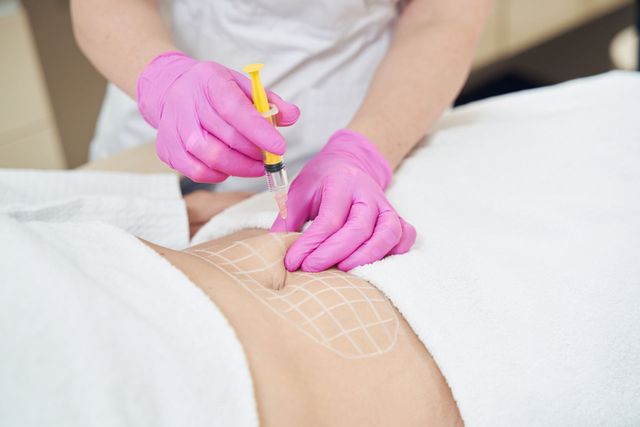
The success of the procedure largely depends on the viability of the transferred fat cells. Unlike synthetic fillers, fat injections rely on the patient’s own tissues, reducing the risk of allergic reactions or rejection. However, the body's natural processes play a significant role in determining how much of the injected fat survives and integrates into the new area.
What Determines the Longevity of Fat Injections?
Several factors influence how long the effects of fat injections last. While the procedure is designed to offer long-lasting results, individual outcomes may vary depending on multiple considerations:
1. Fat Cell Survival Rate
Not all fat cells survive the transfer process. During the initial weeks after the procedure, the body reabsorbs a portion of the injected fat. On average, about 50-70% of the fat survives, while the rest is metabolized by the body. The surviving fat cells become a permanent part of the treated area.
2. Technique and Expertise
The surgeon's technique and expertise greatly affect the outcome. Proper fat harvesting, careful purification, and strategic injection are crucial for maximizing the survival rate of fat cells. Using small, evenly distributed injections rather than large deposits helps ensure better integration with the surrounding tissues.
3. Location of Fat Injection
Different areas of the body show varying levels of fat retention. For instance:
Facial Fat Injections: Tend to have a higher survival rate due to the rich vascular supply in facial tissues.
Buttocks and Breasts: Larger volumes are often required, and the results may vary depending on lifestyle factors such as weight changes and physical activity.
4. Post-Procedure Care
Following the surgeon’s aftercare instructions is essential for optimizing results. Avoiding pressure on the treated area, maintaining a stable weight, and refraining from smoking can significantly impact the longevity of fat injections.
Typical Timeline for Fat Injection Results
Understanding the timeline of results can help manage expectations after the procedure:
1. Immediate Results
Right after the procedure, the treated area may appear fuller than expected due to swelling and the temporary presence of excess fluid. This initial volume is not indicative of the final result.
2. First Few Weeks
Swelling gradually subsides over 2-4 weeks, and the body starts to reabsorb a portion of the injected fat. At this stage, the treated area may lose some of its initial volume.
3. Three to Six Months
By the three-month mark, the surviving fat cells have established themselves in the new location. The results observed at this point are typically stable and reflect the final outcome.
4. Long-Term Results
The fat that survives beyond six months is considered permanent. These cells integrate with the surrounding tissues, behaving like natural fat in the treated area.
Factors That Can Affect Long-Term Results
While the effects of fat injections are designed to be long-lasting, certain factors can influence the durability of results over time:
1. Weight Fluctuations
Significant weight gain or loss can affect the appearance of the treated area. Since the transferred fat cells function like any other fat cells in the body, they can expand or shrink with changes in weight.
2. Aging Process
As the body ages, natural changes in skin elasticity and tissue volume may impact the treated area. While the fat cells themselves are permanent, aging can alter the overall appearance.
3. Lifestyle Choices
Smoking, poor diet, and lack of proper care can negatively impact the survival of transferred fat cells. Maintaining a healthy lifestyle is key to preserving the results of fat injections.

Areas Commonly Treated with Fat Injections
Fat injections are versatile and can address a wide range of cosmetic concerns. Here are some of the most common areas treated with this procedure:
1. Face
Facial fat injections are used to restore volume to sunken cheeks, fill deep nasolabial folds, and smooth wrinkles. They are also popular for enhancing the lips and reducing under-eye hollows.
2. Hands
Aging hands often lose volume, resulting in a bony appearance with visible veins and tendons. Fat injections can rejuvenate the hands by restoring lost volume and improving skin texture.
3. Breasts
Fat transfer is used to enhance breast shape and size or correct asymmetry. It can also be employed for reconstruction after a mastectomy or lumpectomy.
4. Buttocks
The Brazilian Butt Lift (BBL) involves transferring fat to the buttocks for a fuller and more lifted appearance. This procedure has gained popularity for its ability to create natural-looking curves.
Pros and Cons of Fat Injections
While fat injections offer many advantages, it is essential to consider the potential drawbacks as well.
Advantages
Natural-looking results
Low risk of allergic reactions
Dual benefit of liposuction and volume enhancement
Minimal scarring due to small incisions
Disadvantages
Variability in fat survival rate
Multiple sessions may be needed for larger volumes
Results depend on surgeon expertise and patient compliance
Are Fat Injections Right for You?
Fat injections are suitable for individuals seeking a natural and long-lasting solution for volume enhancement. Ideal candidates are in good overall health, have realistic expectations, and possess sufficient fat in donor areas for harvesting. Consulting with a qualified plastic surgeon is the best way to determine whether this procedure aligns with your aesthetic goals.
Conclusion
The longevity of fat injections depends on various factors, including the fat cell survival rate, the area treated, and the patient’s adherence to post-procedure care. While the initial results may change as the body absorbs some of the transferred fat, the remaining fat cells establish themselves as a permanent addition to the treated area. By choosing a skilled surgeon and following proper aftercare instructions, patients can enjoy natural and lasting results from fat injections.