Can Soft Tissue Dental Lasers Reduce Patient Discomfort?
When it comes to dental procedures, patient comfort is one of the most critical factors to ensure a positive experience. Dental technologies have evolved significantly over the years, and one of the most innovative advancements in dentistry is the use of Soft Tissue Dental Lasers. These lasers are changing the landscape of dental care by offering a less invasive, more precise, and generally more comfortable experience for patients. In this article, we will explore how Soft Tissue Dental Laser in Dubai work and discuss how they can help reduce patient discomfort during various dental treatments.
Understanding Soft Tissue Dental Lasers
A Soft Tissue Dental Laser is a specialized laser device used in dentistry to treat soft tissues, such as gums, inside the mouth. These lasers emit focused light that can precisely target and treat specific areas of soft tissue, such as gum reshaping, biopsy procedures, or treating gum disease. Unlike traditional surgical instruments, lasers allow for quicker, more accurate procedures, leading to a variety of benefits for both patients and dentists.
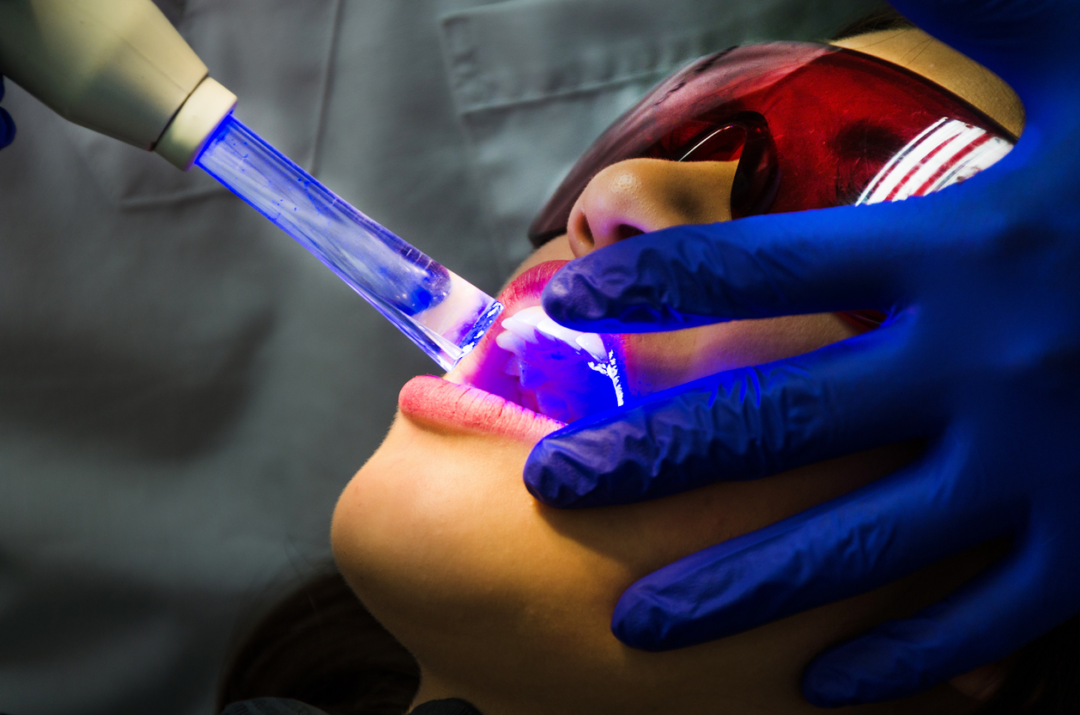
Soft tissue lasers can be used for a range of dental treatments, from simple cosmetic procedures to more complex surgeries. By utilizing concentrated beams of light, these lasers can cut, vaporize, or coagulate tissues with high precision, minimizing damage to surrounding tissues. This precision is one of the reasons why Soft Tissue Dental Lasers are considered a less invasive option compared to traditional methods.
How Soft Tissue Dental Lasers Work
Soft tissue lasers work by emitting a laser beam at a specific wavelength that interacts with the tissue. The wavelength of the laser determines how well it can be absorbed by the tissues and how effectively it can perform the desired procedure. In the case of soft tissue lasers, the energy from the laser is absorbed by water and pigments in the tissue, causing the tissue to vaporize or coagulate, depending on the settings used.
During a procedure, the laser's focused light energy is directed onto the treatment area. This process allows for a more controlled incision, reducing the likelihood of excess bleeding and swelling. Unlike traditional scalpel methods, which can cause significant trauma to the soft tissues, soft tissue lasers minimize the disruption to the surrounding areas, leading to faster healing times.
The Role of Soft Tissue Lasers in Reducing Discomfort
One of the key reasons why Soft Tissue Dental Lasers have gained popularity in recent years is their ability to reduce patient discomfort during and after dental procedures. Let's explore how these lasers help enhance patient comfort in various ways.
Reduced Bleeding
Traditional dental treatments that involve cutting or reshaping the gums often lead to significant bleeding. This can cause discomfort during the procedure and increase recovery time. However, soft tissue lasers have the ability to coagulate blood vessels as they work, which means there is minimal bleeding during treatment. This not only makes the procedure cleaner but also helps to reduce the amount of discomfort patients may experience both during and after the treatment.
Minimized Swelling and Inflammation
After traditional dental surgeries, swelling and inflammation are common, leading to discomfort and longer recovery times. Soft tissue lasers minimize this issue by targeting only the affected tissue without disturbing the surrounding areas. The precision of the laser also means that there is less tissue trauma, which translates to less swelling and inflammation. This makes for a more comfortable post-treatment experience, as patients generally report less discomfort and shorter recovery periods.
Faster Healing Times
One of the most significant advantages of Soft Tissue Dental Lasers is their ability to promote faster healing. Because these lasers cause less trauma to the surrounding tissues, the body’s natural healing processes can begin more quickly. The reduced bleeding, swelling, and inflammation all contribute to a quicker recovery time, which is a major factor in reducing patient discomfort. Many patients find that they can return to their regular activities much sooner than with traditional surgical methods.
Reduced Need for Stitches
Traditional dental surgeries often require stitches to close the wound and promote healing. This can be uncomfortable and require additional follow-up visits to remove the stitches. Soft tissue lasers, on the other hand, often eliminate the need for sutures. The laser's ability to seal tissues as it cuts reduces the risk of bleeding and helps close the wound more efficiently, thereby reducing the need for stitches. This results in a more comfortable and less invasive recovery period for patients.
Less Risk of Infection
Infection is always a concern after any surgical procedure, including dental treatments. However, the use of Soft Tissue Dental Lasers significantly reduces the risk of infection. This is because the laser's heat sterilizes the area as it cuts through the tissue, effectively killing bacteria and other microorganisms. With a lower risk of infection, patients can experience fewer complications and less discomfort during their recovery period.
Soft Tissue Lasers in Common Dental Procedures
Soft tissue lasers are used in a variety of dental procedures, including both cosmetic and therapeutic treatments. Let's look at some of the most common uses of Soft Tissue Dental Lasers and how they contribute to reducing patient discomfort.
Gum Contouring and Reshaping
One of the most popular cosmetic uses of soft tissue lasers is gum contouring and reshaping. This procedure is often performed to correct a "gummy smile" or to improve the appearance of the gums. Traditionally, this would require a scalpel, which can be painful and lead to significant discomfort. However, with the use of a soft tissue laser, the procedure is much less invasive, and patients often experience minimal discomfort, as well as faster healing.

Treatment of Gum Disease
Gum disease, or periodontal disease, is a common dental issue that can cause pain, bleeding, and discomfort if left untreated. Soft tissue lasers can be used to remove infected gum tissue and promote the regeneration of healthy tissue. This treatment is more comfortable for patients than traditional methods, which typically require cutting and stitching of the gums. The precision of the laser means that only infected tissue is removed, reducing the amount of healthy tissue affected and minimizing discomfort during recovery.
Frenectomy
A frenectomy is a procedure that involves removing or modifying the frenulum, the small piece of tissue that connects the lip to the gum or the tongue to the floor of the mouth. This procedure is commonly performed in cases of tongue-tie or lip-tie, which can interfere with speech or eating. Traditional frenectomy methods can be uncomfortable and require stitches, but soft tissue lasers make the procedure quicker, more precise, and generally less painful. The laser also reduces the risk of infection and promotes faster healing.
Biopsy and Lesion Removal
In some cases, dentists may need to perform a biopsy or remove lesions from the soft tissues inside the mouth. Soft tissue lasers make these procedures more comfortable by eliminating the need for scalpels and stitches. The laser can remove the lesion with minimal discomfort, and since the tissue is sealed as the laser works, the risk of bleeding and infection is reduced.
Patient Perception and Satisfaction
Patient satisfaction is a key aspect of any dental practice, and Soft Tissue Dental Lasers have proven to improve the overall patient experience. Many patients report feeling less anxiety about their dental procedures due to the advanced technology involved, and they often experience less pain both during and after the treatment.
In addition to reduced discomfort, patients are generally pleased with the quicker recovery times and minimal post-treatment care required. This has led to a greater sense of trust in dental professionals who use these innovative technologies, as well as an overall increase in the popularity of soft tissue laser treatments.
Conclusion
Soft Tissue Dental Lasers are revolutionizing the way dental procedures are performed, offering patients a more comfortable and efficient alternative to traditional methods. From reduced bleeding and swelling to faster healing times and less risk of infection, the benefits of using lasers in dental treatments are clear. These lasers not only improve the precision of dental procedures but also significantly reduce the discomfort that many patients associate with dental surgeries.
With the growing adoption of Soft Tissue Dental Lasers, patients can expect to experience less pain, quicker recovery, and more positive outcomes overall. As dental technology continues to advance, the use of soft tissue lasers is likely to become even more widespread, offering even more benefits for those seeking a comfortable, efficient dental experience.